Loading...
Serving Santa Rosa, CA and surrounding areas. (707) 867-4232
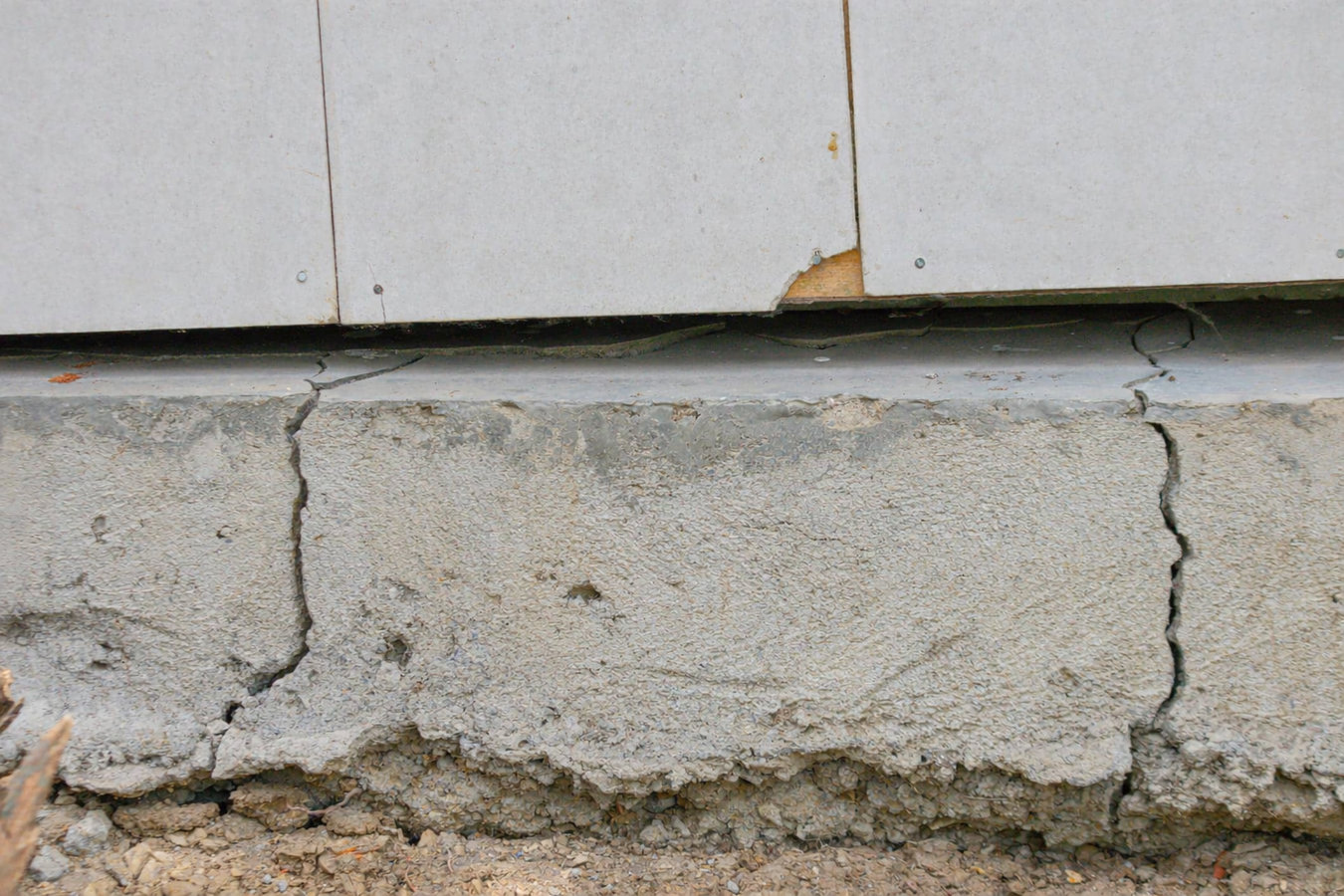
Sticking doors, sloping floors, and widening cracks all point to a foundation that has moved. We lift settled homes in Santa Rosa back to level using steel piers or foam injection, with permits handled and results measured and documented.
Foundation raising in Santa Rosa lifts a home that has settled or sunk back toward its original elevation by driving steel piers into stable ground or injecting foam to fill voids below the slab. Most jobs take one to three days of active work on site after the city permit is approved, and the results are measured and documented before the crew leaves.
Most Santa Rosa homeowners reach out after noticing doors that stick through the summer, floors that feel like they tilt toward one wall, or hairline cracks in drywall that seem to widen each year. The underlying cause is almost always the same: clay soils that shift with the wet and dry seasons have caused the foundation to drift out of level, slowly but continuously. Foundation raising in Santa Rosa addresses the movement, not just the cosmetic damage it causes.
If your home has already had a settling event, it often makes sense to evaluate a full foundation installation alongside the lift, especially in older homes where the original concrete may be too deteriorated to support piers cleanly. For newer construction or post-fire rebuilds, raising is frequently the right first step before any slab foundation work is carried out on the same lot.
If interior doors that used to swing freely now drag on the floor or refuse to latch, that is one of the most common early signs of foundation movement. The same applies to windows that feel stiff or will not lock properly. In Santa Rosa, these problems often worsen in late summer when the dry season causes the clay soil to contract and the foundation shifts.
Diagonal cracks in drywall that start at the corners of door and window frames signal that part of the structure is moving relative to another. In Santa Rosa's older homes, these cracks often appear gradually over several years and are easy to dismiss. If new cracks are appearing or existing ones are widening, have someone take a look before the next rainy season.
Walk slowly through your home and notice whether the floor tilts toward one wall or corner. You can place a marble on the floor; if it rolls consistently in one direction, the floor is not level. This gradual slope is a common result of years of soil movement under Santa Rosa homes built on the clay-heavy soils of the Santa Rosa Plain.
If a gap is opening where the wall meets the ceiling or where the baseboard meets the floor, the structure is separating in a way it should not. These gaps can appear after a wet winter followed by a dry summer, which is exactly the seasonal pattern Santa Rosa experiences each year. Gaps like this often point to movement happening at the foundation level, not just cosmetic settling.
We assess, plan, and execute foundation raising for single-family homes across Santa Rosa and Sonoma County. Our two primary methods are steel pier systems, which drive deep into stable soil or bedrock and support heavy loads through seismic events, and polyurethane foam injection, which fills voids under slabs quickly with minimal excavation and works well for smaller settling issues on lighter structures. Every job starts with on-site elevation measurements so you have a documented before state to compare against.
For homes where the lift reveals that the original concrete is too deteriorated to hold piers, we coordinate with our foundation installation service to replace the damaged sections rather than try to stabilize them. Where the settling has caused soil to shift across a broader area, a new slab foundation may be part of the long-term solution, and we can walk you through when that makes sense versus when raising alone is sufficient.
The International Association of Certified Home Inspectors provides detailed guidance on what separates a correctly executed foundation repair from one that will need redoing in a few years. We also follow permit requirements set by the City of Santa Rosa Building Division on every job.
Best suited for homes with significant settling, heavy loads, or seismic concerns, where deep, permanent support into bedrock is the right call.
Suited for smaller settling areas under slabs with limited access, where speed and minimal excavation are priorities and settling depth is moderate.
Santa Rosa sits on the edge of the Santa Rosa Plain, a wide valley floor underlaid by expansive clay that swells when it absorbs winter rainfall and shrinks back down each dry summer. That cycle puts every foundation in the area through an annual stress test. Older homes in neighborhoods like Proctor Terrace, the Junior College area, and along Farmers Lane were often built on foundations that were not designed with this behavior in mind, and decades of seasonal movement have left many of them measurably out of level. Foundation raising corrects that drift and installs support that reaches past the active clay layer into stable ground below.
The proximity of the Rodgers Creek Fault adds a seismic dimension that separates Santa Rosa from many other California cities. The California Geological Survey maps much of central and eastern Santa Rosa within seismic hazard zones, which means any foundation repair here should account for lateral forces, not just vertical settling. Steel pier systems are preferred in these zones precisely because they provide both vertical support and resistance to the sideways movement that accompanies an earthquake.
We serve homeowners across Santa Rosa and the surrounding communities of Rohnert Park, Windsor, and Sebastopol. Clay soil conditions and seismic exposure are shared across this entire region, and our crews adjust approach and pier depth based on each specific site rather than applying a one-size approach across all of Sonoma County.
We reply within 1 business day. Tell us what symptoms you have seen, how old your home is, and whether any prior foundation work has been done. No preparation is needed for this first call. We will schedule a free on-site assessment within a few days.
A technician walks through your home and around the exterior, examining cracks, door and window alignment, and floor levelness. We use a laser level to measure how much the foundation has moved and where. The visit takes one to two hours, and we explain findings as we go, not just at the end.
You receive a written estimate covering the method, number of support points, timeline, and total cost. In Santa Rosa, structural foundation work requires a city permit, which we handle for you. Budget two to four weeks for permit approval before work can begin.
The crew installs piers or injection points and lifts the foundation to the target elevation. A city inspector signs off on the structural work. Before we leave, you receive final elevation measurements, the permit closeout, and your written warranty, everything you need for when you sell.
Free on-site assessment, no pressure. We measure, explain what we find, and give you a written estimate you can compare against anyone else in Santa Rosa.
(707) 867-4232Our C-8 Concrete Contractor license is searchable on the CSLB website before you sign anything. Every job is backed by liability insurance and workers' compensation so you are never exposed if something unexpected happens on your property.
Every support system we install is specified with Santa Rosa's seismic conditions in mind. Steel pier systems used near the Rodgers Creek Fault are selected for both vertical support and lateral resistance, which matters when the ground shakes.
We have assessed and raised foundations in neighborhoods across Santa Rosa, from older homes on the Santa Rosa Plain with deep clay-soil settling to post-fire rebuilds in Fountaingrove and Coffey Park.
We handle the permit application, schedule the city inspection, and provide written before-and-after elevation measurements on every job. When work is complete, your property has a clean permit record and a documented warranty you can hand to a future buyer.
Foundation work in Santa Rosa is not the same as foundation work in a city without active faults or expansive clay soils. The combination of local geology, seasonal soil movement, and seismic requirements means every decision, from pier type to depth to anchor bolt spacing, has to be made with this specific place in mind. That is the work we do every day.
When settling is too severe or the existing concrete too deteriorated for piers, a new foundation installation addresses the problem from the ground up.
Learn moreA new slab poured on prepared, compacted ground is often the next step after raising for properties adding square footage or replacing a failed original pour.
Learn moreSanta Rosa's wet winters accelerate soil movement and can deepen settling that is already underway. Locking in your repair now means less damage to address, and a shorter job.